
Free consultation
Call or text (860) 266-6358 or use our consultation form to share what your child has been through and what you are noticing.
Trauma Therapist · Colchester, CT
Paced, compassionate trauma therapy that helps children and teens process difficult experiences, rebuild a sense of safety and restore trust, with caregivers involved every step of the way.
Difficult experiences shape how a child's nervous system responds to the world. Trauma can come from a single overwhelming event or from ongoing experiences such as emotional neglect, abuse, bullying, medical trauma, chronic family conflict or loss. At RZ Therapy Solutions PLLC in Colchester, CT, our trauma therapy for children and adolescents focuses on processing those experiences, rebuilding safety and restoring trust.
Every session is paced with safety, trust and choice at the center, and carefully paced to avoid retraumatization. Because children and teens often process experiences non-verbally, our clinicians use play, art, sand tray and other creative approaches alongside evidence-based models such as Child-Parent Psychotherapy (CPP), the ARC framework and trauma-focused CBT.
Caregivers are essential to healing. With young children, models such as CPP and Circle of Security involve the parent directly. With every age, we partner with parents and caregivers to support co-regulation and progress beyond the therapy room. Your child does not need a formal PTSD diagnosis to benefit.
Trauma therapy is available in person at our Colchester office and through HIPAA-compliant telehealth anywhere in Connecticut. Adults working through their own childhood experiences can find support through our reparenting and childhood trauma therapy and individual trauma therapy.
Trauma responses are adaptive survival strategies shaped by the nervous system, not a personal failure.
Hypervigilance: startling easily, feeling tense or struggling to relax even when safe.
Worry, panic and racing thoughts that make daily life feel heavy.
Difficulty settling, rest that doesn't restore, or nightmares.
Avoiding places, people or school, which can shrink a child's world over time.
Big emotional reactions, irritability or emotional numbness and withdrawal.
Struggling to feel safe in relationships after relational disruptions or loss.
Call or text (860) 266-6358 or use our consultation form to share what your child has been through and what you are noticing.
Early work focuses on safety, trust and nervous-system regulation for your child and your family.
Using CPP, ARC, trauma-focused CBT and play-based or creative approaches, experiences are processed gently.
Caregivers learn to support co-regulation, and children build coping skills and confidence.
Including Trauma-Informed CPP: heals young children and caregivers together, rebuilding safety and trust after stressful experiences.
Attachment, Regulation and Competency: builds the relationships, emotional regulation and confidence children need to heal.
Helps children and teens make sense of difficult experiences and learn skills to manage trauma reactions.
Attachment-based training our clinicians use with young children and families facing stress or trauma.
Creative, non-verbal ways for children to express and process what happened.
Grounding and regulation skills that help children feel safer in their bodies in the present.
Licensed clinicians who bring warmth, play-based expertise and clinically grounded care. Read full bios
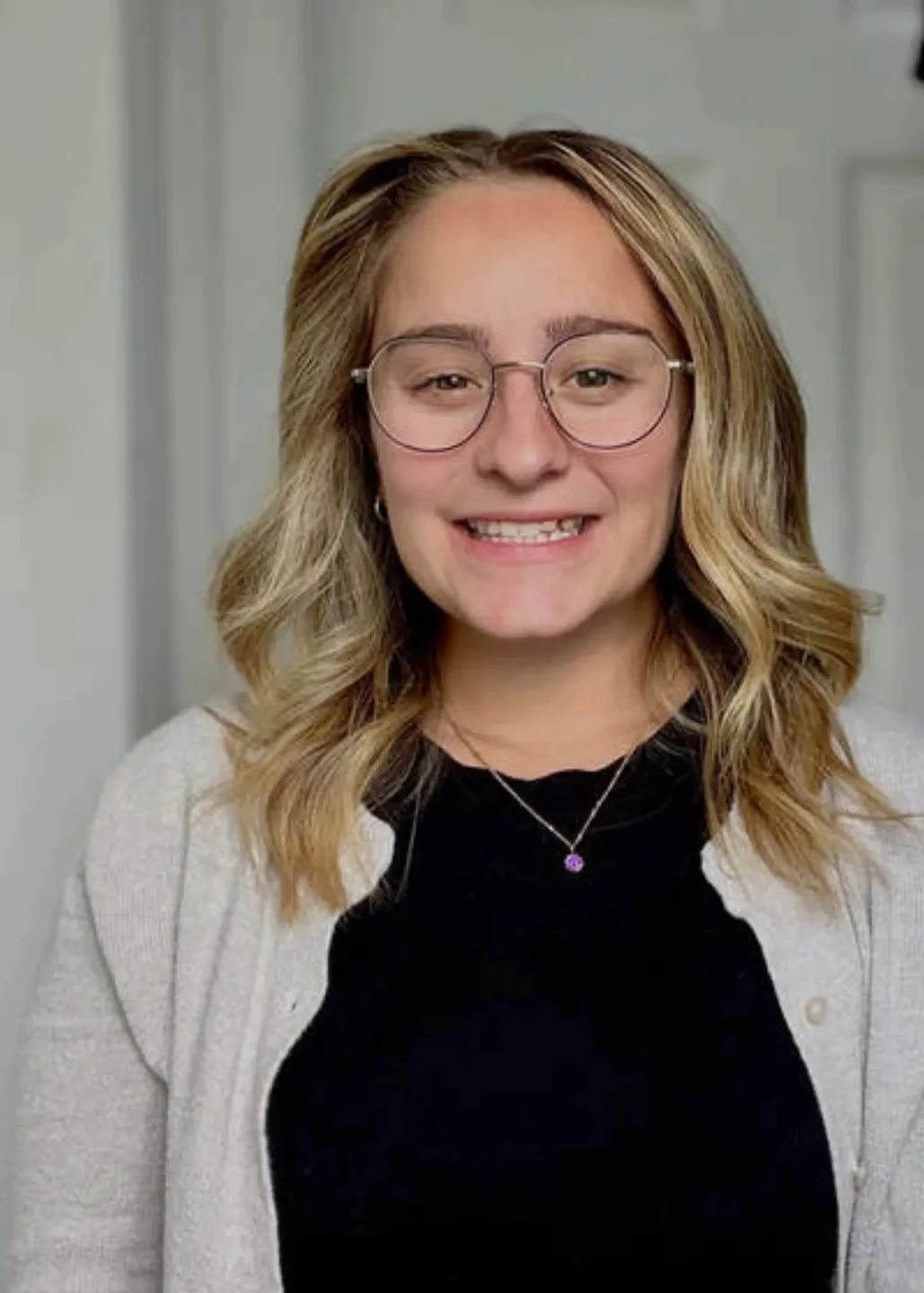
Licensed Clinical Social Worker
Young children and families navigating trauma; Trauma-Informed CPP, Child First and Circle of Security.

Licensed Master Social Worker
Children and adolescents with complex trauma, attachment concerns and school avoidance; ARC and COS.

Licensed Professional Counselor Associate
Children and teens navigating trauma, anxiety and adjustment; CBT, DBT, play and expressive techniques.
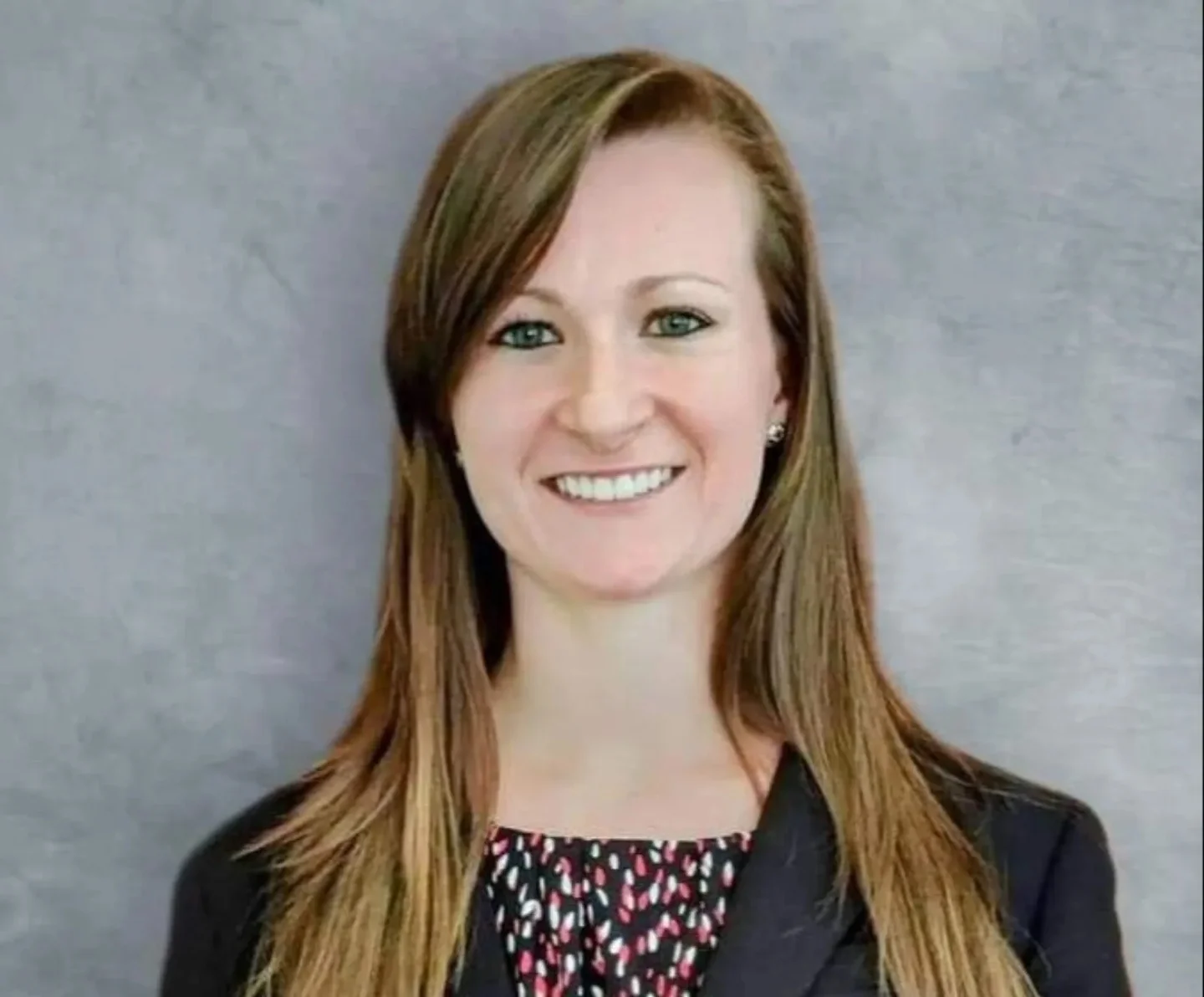
Owner · Licensed Professional Counselor
Trauma-informed therapy using art, sand tray and other creative approaches for non-verbal processing.
Trauma can result from a single overwhelming event, such as an accident or medical emergency, or from ongoing experiences such as emotional neglect, abuse, bullying, chronic family conflict, unpredictable caregiving or loss. Children and teens do not need to identify with the word “trauma” to benefit from support.
Children often process experiences non-verbally, so sessions use play, art, sand tray and other creative approaches alongside models such as CPP, the ARC framework and trauma-focused CBT. Caregivers are closely involved, especially with young children.
With young children, models such as Child-Parent Psychotherapy and Circle of Security involve the caregiver directly in sessions. With older children and teens, we partner with parents through updates and guidance to support co-regulation at home.
Yes. Trauma therapy is available in person at 79A Norwich Ave in Colchester or through HIPAA-compliant telehealth for families anywhere in Connecticut.
Yes. We accept Aetna, Anthem, Husky (Connecticut Medicaid), United/Optum and private pay. We provide superbills for out-of-network benefits and are a Tricare certified out-of-network provider. Coverage varies by plan, so call (860) 266-6358 to verify your benefits before scheduling.
Also at RZ Therapy Solutions
Further reading: Individual therapy for anxiety, trauma and PTSD
In-person care in Colchester; telehealth throughout Connecticut, including Hebron, East Hampton, Marlborough, Salem, East Haddam, Glastonbury, Haddam, Moodus and Hartford County.
Ready to take the next step? Reach out and we'll help you find the right fit, in person in Colchester or online anywhere in Connecticut.
In crisis or worried about immediate safety? Call or text 988 (Suicide & Crisis Lifeline) or call 911.